

3 common mistakes on small business websites

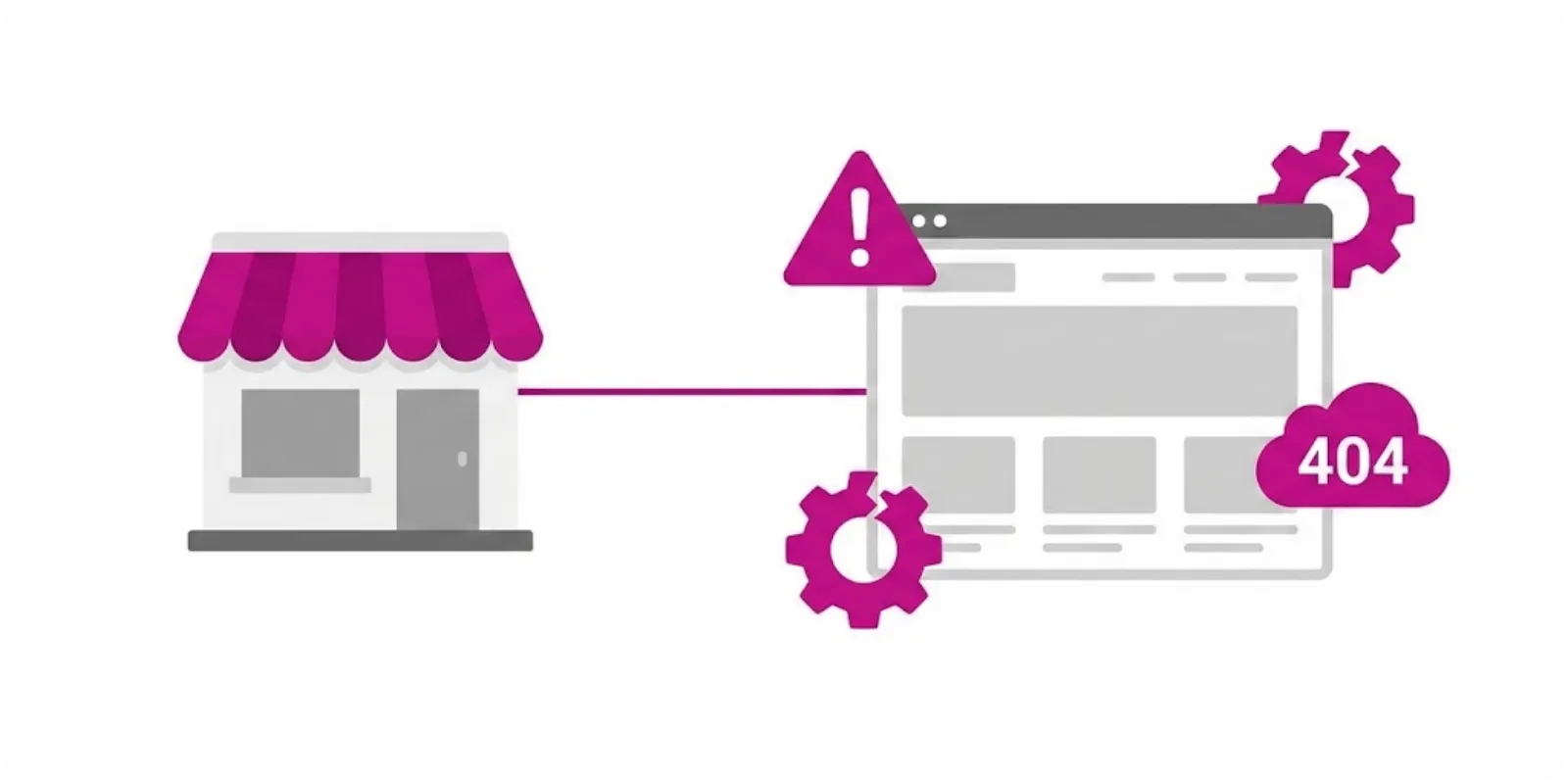
It's neither a lack of tools nor templates.
These are three very basic stumbles we see every month when serving smaller businesses.
Talking only about yourself
It's natural to want to tell the company's history, talk about years of experience, list certificates.
The problem is when this takes up the entire home page.
The visitor wants to know, first, if you solve their problem.
A simple adjustment:
- Start the page talking about who you help and how
- Bring the institutional part later, as a trust reinforcement
Hiding contact information
Many companies hide the contact button as if it were a secret.
Lost forms, phone number only in the footer, nothing clear about what happens after the person calls.
Quick improvements:
- Visible CTA on the home page
- Simple and direct contact page
- Explanation of the next step (“we will respond within X hours via channel Y”)
Trying to be everything to everyone
Generic texts, huge lists of services, no clear choice.
When you try to speak to everyone, no one feels truly seen.
It's worth asking:
- Who is the ideal client you want to attract?
- Which services make the most sense for them?
- What kind of language does this person expect (and reject)?
Adjusting the site for a real audience doesn't drive people away.
It brings those most likely to become customers closer.
Small businesses don't need complex websites.
They need a site that is honest, clear, and easy to use.
The rest you add gradually, calmly.
More ideas
to explore
Discover articles with clear insights on content, web, and user experience to inspire your brand.